
Get Found on Google with Medical Search Engine Optimization
Medical SEO helps your medical practice get found online. Rank higher in Google search results for your specialty and connect with patients like never before. Discover how your medical website ranks for your most important medical services with healthcare SEO today.

Medical SEO Helps Your Practice

Improve Your Medical Practice Website’s Position

Connect With New Patients

Generate A Positive ROI
Medical SEO Connects Your Medical Practice to New Patients
Officite specializes in connecting local medical practices to local patients with healthcare SEO techniques. Let Google amplify your web presence with medical search engine optimization. Enhance your medical practice’s credibility. Thousands of medical practices have already worked with Officite to transform local searches to real appointments.
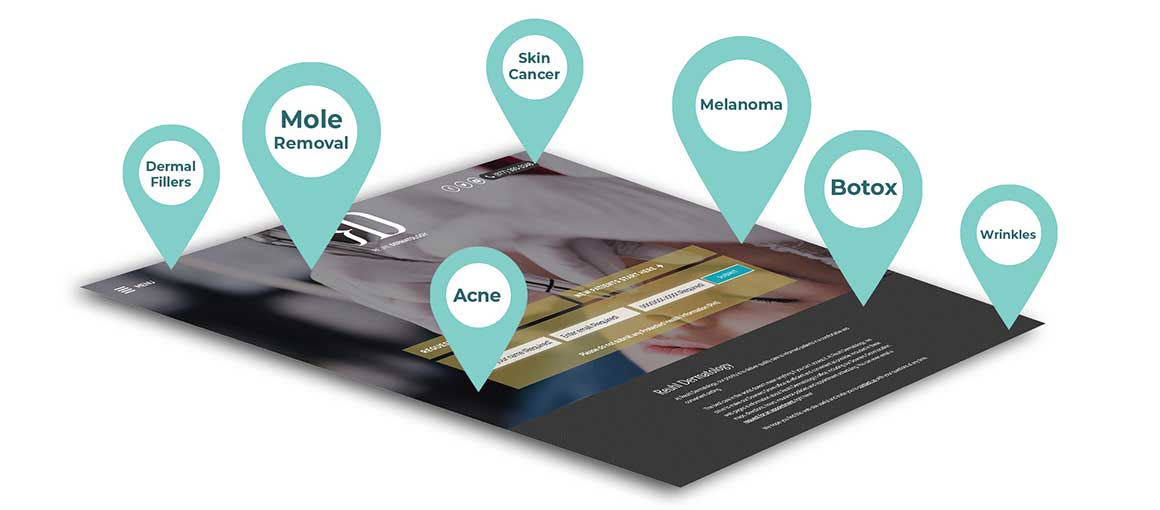
Increased Visibility
Drive traffic with expert SEO services.
Targeted
Services
Customized medical SEO plan based on local competition
Increased
ROI
Keywords targeted by your most profitable services.
Transparent Reporting
Monthly insights for your medical website.


Find Out Where Your Website Ranks On Search Engines
Showing up first on Google search is critical to being found by new patients. Officite understands the most relevant searches and how new patients can find your medical website. See where your website ranks on Google and Bing for your most important services with our medical SEO techniques.
Our Comprehensive Medical Search Engine Optimization Services Include
+
1:1 Consultation
Our Medical SEO team will evaluate your search rankings and local markets to determine how to drive results.
+
Local Targeting
We'll identify 20 keywords ore more to help attract the patients near you searching for your services.
+
Campaign Set-Up
A Google-certified specialist will ensure your website aligns with Google's best practices.
+
On-Page Optimization
We make it easier for search engines to crawl your site by adding header tags, meta descriptions, and more.
+
Ongoing Blog Post
Our medical SEO copywriters will create new, relevant content that focuses on the keywords chosen for your program.
+
Monthly reporting
Our medical SEO team will provide regular updates and check-ins to track your website's improvement.
Ready To Start Ranking Higher with Medical SEO?
Schedule a Call with one of our Web Presence Advisors for a free consultation and learn about our 3 levels of medical SEO services to find the one that's best for your practice.

Drive Patient Engagement With Custom Content
Talk with an Officite Web Advisor and learn about how you can add custom content to your medical website. Whether you're seeking helpful articles on the services you provide, or educational content on the conditions you treat, we are here to support you along the way and help get your website found for the topics that are most important to your practice.
Frequently Asked Questions
What will you learn from a one-on-one consultation with Officite's medical SEO team?
When you sign up for Officite's search engine optimization services, you'll have the opportunity to participate in a one-on-one consultation with their team of Google-certified SEO specialists.
During this personalized session, you'll gain valuable insights into how to optimize your medical website to align with ever-evolving SEO requirements and Google best practices.
Google places a significant emphasis on user experience, encouraging websites to be not only accessible but highly useful to online visitors. This consultation will provide you with actionable steps to ensure your medical website reflects these priorities.
One key takeaway from this consultation is that search engine optimization goes far beyond just adding a few keywords to your home page. In fact, healthcare SEO involves a comprehensive strategy that includes on-page and off-page elements designed to boost your website's search engine rankings and overall online presence. You'll learn how to conduct keyword research effectively, but also how to incorporate them in a way that feels natural and relevant to your content. Keyword stuffing, which was once common, is no longer a viable strategy, and the experts at Officite will show you how to balance keyword optimization with high-quality, user-focused content.
Publishing relevant and authoritative content is another major component of medical search engine optimization. During the consultation, you'll learn how to create and curate content that addresses the needs and concerns of both current and prospective patients.
Whether it's blog posts, FAQs, or informative articles, relevant content helps position your website as a reliable and trusted source of information. This, in turn, improves your website's authority, increasing your chances of ranking higher on Google search results pages.
Additionally, Officite ensures that all its medical websites are super easy to navigate and are also visually appealing, to ensure that people would want to visit and stay on your website whilst perusing medical services online.
Ultimately, your one-on-one consultation with Officite's medical SEO team will provide you with the knowledge and tools to turn your website into a valuable resource for your patients, improving visibility, user satisfaction, and, most importantly, helping grow your practice online.
Need more information? Please call to speak with a Web Presence Advisor today.
How can local SEO help my medical practice attract more patients from my target area?
Local healthcare SEO is a powerful tool for medical practices looking to attract more patients from their target area. By optimizing your online presence for local searches, you can ensure that your practice appears prominently when potential patients search for healthcare services nearby. Officite, which provides premium healthcare SEO, can help your practice implement a strong local SEO strategy custom-fit to your medical practice's urgent medical marketing needs.
One of the key benefits of local SEO is that it helps your medical practice appear in “near me” searches. When people in your area search for services like “pediatrician near me” or “oncologist in [your city],” local medical SEO ensures that your practice is visible in these search results. This is especially important as more and more patients rely on Google and other search engines to find healthcare providers.
Another important aspect of local SEO services is building reputation management through more reviews and ratings. By using a medical website that is optimized via medical SEO, you will likely motivate people to give more positive patient reviews. Positive online reviews build trust and improve your rankings in local Google search results.
Search engines like Google consider reviews as a factor when determining which businesses to show for local searches, so having a solid review management strategy can greatly boost your visibility.
Local medical SEO also involves using geo-targeted keywords on your website, such as mentioning your city or neighborhood within your content.
Officite can help you incorporate these keywords naturally into your website, making it easier for search engines to recognize your location and match your practice with relevant local searches. Additionally, Officite ensures your website is mobile-friendly and fast, which is crucial because many local searches happen on mobile devices.
By implementing a well-rounded local medical SEO strategy, your practice will not only appear in local searches but also stand out from the competition. Patients are more likely to choose a healthcare provider they find easily online, especially one with strong reviews and an optimized web presence. With Officite’s premium medical SEO, your medical/veterinary practice can attract more patients from your target area and see real growth as a result. Local medical SEO gives you the visibility you need to reach more patients right when they are searching for healthcare services.
Why is on-page optimization important for medical SEO?
On-page optimization is a critical aspect of search engine optimization and medical marketing for medical practice websites. It refers to the process of optimizing individual web pages to rank higher and earn more relevant traffic in search engines. For medical practices, effective on-page optimization ensures that potential patients can find the right information when searching for healthcare services online.
One of the key reasons on-page optimization is important is that it improves the visibility of a medical practice website on search engines like Google. When patients search for healthcare services, they typically use specific keywords related to symptoms, conditions, or treatments. By optimizing website content with relevant medical keywords, meta tags, headers, and URLs, medical practices can increase their chances of appearing in top search results. This helps attract more potential patients and directs them to the right pages on the website.
Another important benefit of on-page optimization is that it enhances the user experience. When a medical website is well-organized, easy to navigate, and has clear, informative content, it helps users find what they are looking for quickly. This is especially important in the healthcare industry, where patients may need to access information on medical conditions, treatment options, or how to book an appointment. By ensuring that the website loads quickly, is mobile-friendly, and has properly structured content, medical practices can keep visitors engaged and encourage them to take the next step, such as scheduling a consultation.
On-page optimization also helps build trust and authority. Patients often rely on the internet to find accurate and credible medical information. A website that is optimized with high-quality content, authoritative resources, and accurate medical details signals to search engines and visitors that the practice is reliable. Search engines reward sites that provide valuable, well-structured content, which can lead to better rankings and higher visibility. This, in turn, enhances the practice's reputation and credibility among potential patients.
On-page optimization gives medical practices a significant advantage. It improves both search engine rankings and user satisfaction, ultimately driving more traffic to the website and converting visitors into patients. For medical practitioners, investing in on-page SEO is a key strategy to ensure long-term growth and patient acquisition.
Why is medical SEO important for medical practitioners?
One of the most significant benefits of medical SEO is its ability to enhance a practice's online visibility. By optimizing medical practices websites for search engines, medical practices can increase their chances of being discovered by individuals seeking healthcare. Without medical SEO, even the most reputable practices may struggle to attract new patients due to limited online visibility.
The ultimate goal of medical SEO is to drive more patient traffic to a medical practice. A high ranking on search engines can signal to potential patients that a practice is credible and trustworthy. SEO helps establish this trust by ensuring a website is professional, user-friendly, and informative. For instance, a well-crafted blog with valuable health tips can demonstrate a doctor's expertise, while patient reviews and testimonials can further bolster the practice's reputation.
Medical SEO is not solely about ranking higher on search engines but also about providing patients with valuable content. Many individuals have questions about their health, symptoms, or treatment options, and they often turn to the internet for answers. By incorporating medical blogs, FAQs, and educational resources into their websites, practitioners can address these inquiries while simultaneously optimizing their content for search engines. Offering accurate and helpful information not only improves SEO rankings but also empowers patients to make informed healthcare decisions, fostering stronger doctor-patient relationships.
At a time where smartphones are ubiquitous, medical practices must also prioritize mobile optimization. A mobile-friendly website ensures that potential patients can easily access information about a practice from their phones. Additionally, local SEO plays a crucial role in ensuring that a clinic appears in search results when patients search for medical services nearby. For example, if someone searches for "urgent care near me," a clinic optimized for local SEO will have a higher likelihood of appearing in those results, attracting more local patients.
Medical practitioners who neglect SEO risk falling behind their competitors. As more people use online platforms to choose their healthcare providers, having a strong online presence has become essential for attracting and retaining patients. Therefore, SEO is not merely an option but a necessity for medical professionals seeking to remain competitive and grow their practice.
How does medical SEO differ from general SEO?
Medical SEO and general SEO share many core principles, such as optimizing content for search engines, using relevant keywords, and improving website visibility. However, there are significant differences between the two. Medical SEO focuses explicitly on the healthcare sector and caters to the unique needs of medical professionals and patients. Understanding these distinctions can help medical practitioners and marketers tailor their SEO strategies.
One of the biggest differences between medical SEO and general SEO lies in the target audience. Medical SEO is aimed at patients who are searching for healthcare providers, medical treatments, or health-related information. These users often have specific, urgent needs, such as finding a doctor for immediate care or researching symptoms. In contrast, general SEO may target a broader audience with various consumer products or services. The targeted nature of medical SEO requires a more patient-centered approach, focusing on trust, credibility, and accurate medical information.
While general SEO strategies focus on various keywords related to different industries, medical SEO focuses on healthcare-specific terms. Medical practitioners must target long-tail keywords related to the specific services, treatments, or conditions they specialize in. For example, a dermatologist might use keywords like "skin cancer treatment in [city]" or "best acne specialist near me." Medical keywords must be precise, as patients typically search with intent and urgency, often looking for answers or help with their health issues.
A critical difference in medical SEO is the need to comply with healthcare regulations and guidelines. Medical content must adhere to strict standards set by governing bodies, such as the Health Insurance Portability and Accountability Act (HIPAA) in the United States. Privacy and patient confidentiality must be respected when creating content or gathering patient information. Additionally, providing accurate and ethical medical advice is paramount, as misinformation in healthcare can have serious consequences. These regulations are less stringent or absent in many other industries, making medical SEO more sensitive.
Medical SEO places a stronger emphasis on local SEO compared to general SEO. Most patients look for nearby healthcare providers, so optimizing for local searches is critical. Local SEO helps ensure that medical practices appear in local searches and map results, making it easier for patients to find nearby care.
How can I identify the most relevant keywords for my medical practice?
Finding the most relevant keywords for your medical practice improves your online visibility and attracts the right patients. Identifying these keywords involves understanding what your potential patients are searching for and tailoring your content to match their needs. Here are some effective strategies to identify the best keywords for your medical practice.
The first step in identifying relevant keywords is clearly understanding your services. Make a list of your core specialties, treatments, and procedures. For example, if you are a dermatologist, your services might include acne treatment, skin cancer screenings, or cosmetic dermatology. These services form the foundation of your keyword strategy.
Understanding how patients search online can give you insights into their keywords. One of the best ways to do this is by using keyword research tools. These tools allow you to see search volumes for specific keywords related to your practice. For instance, you may find that "pediatrician near me" has a high search volume in your area, making it a valuable keyword to target. You can also explore variations like "children's doctor in [city]" or "best pediatric care near me" to expand your reach.
Long-tail keywords are longer, more specific keyword phrases that patients use when they are closer to making a decision. These longer phrases often have lower competition but higher conversion rates, reflecting more focused searches. Long-tail keywords help you attract patients who are actively looking for the exact services you offer.
Another useful strategy is to analyze your competitors' keywords. You can identify the keywords they target by checking other medical practices' websites that rank high in search results. Tools like SEMrush allow you to see the keywords competitors are ranking for, helping you discover opportunities to target similar or related terms.
Since most patients search for healthcare providers near them, incorporating location-based keywords is crucial. Terms like "family doctor in [city]" or "orthopedic surgeon near [area]" can help your practice appear in local search results. Ensure that your Google Business Profile is also optimized with relevant keywords for local SEO purposes.
How can I improve my medical practice website's keyword ranking?
Improving your medical practice website's keyword ranking is essential for attracting new patients and standing out.
First, think about the questions and concerns your patients have. Create content that addresses these issues. This could include blog posts, articles, or FAQs that answer common medical questions, explain procedures, or offer tips for maintaining health. Search engines like Google prioritize content that is useful and relevant to the user’s search intent, so the more patient-centered your content is, the higher your site is likely to rank.
It’s important to use keywords that patients are likely to search for, but you should do so naturally. Include these keywords in your headings, subheadings, and throughout your content, but avoid overstuffing. Search engines are smart enough to detect when keywords are being used unnaturally, and this can hurt your rankings. Instead, focus on using variations of the keywords and related terms to help search engines understand the topic.
Keeping your content fresh and up-to-date is key for improving keyword rankings. Search engines tend to favor websites that regularly update their content. You can maintain a blog to post articles about recent medical advances, seasonal health tips, or news about your practice. Updating older content to reflect current information can also help improve your ranking.
Long-form content (typically 1,000 words or more) tends to rank better than short snippets of information. This is because longer content provides more value and depth on a topic, which search engines recognize. Writing in-depth guides on specific medical conditions or treatment options is a great way to provide value to potential patients while improving keyword rankings.
Most medical practices serve a specific geographic area, so optimizing for local SEO is important. Include local keywords, such as your city or neighborhood name, in your content. This makes it easier for potential patients in your area to find you.
In addition to creating valuable content, it’s important to establish your medical practice as an authority in your field. One way to do this is by publishing content written or reviewed by healthcare professionals. This reassures both patients and search engines that the information is reliable. You can write detailed explanations of medical conditions, treatment options, or even case studies, showcasing your expertise. This not only builds trust with potential patients but also improves your ranking since search engines favor authoritative content.
Another way to enhance your website’s keyword ranking is by incorporating visual and interactive elements like infographics, videos, or interactive tools (such as symptom checkers). These features keep visitors engaged on your website for longer periods, reducing bounce rates, which is a ranking factor for search engines. Additionally, multimedia elements can rank on their own in search results, giving your website more opportunities to appear for relevant keywords.